
Seasonal Flowers in Egypt
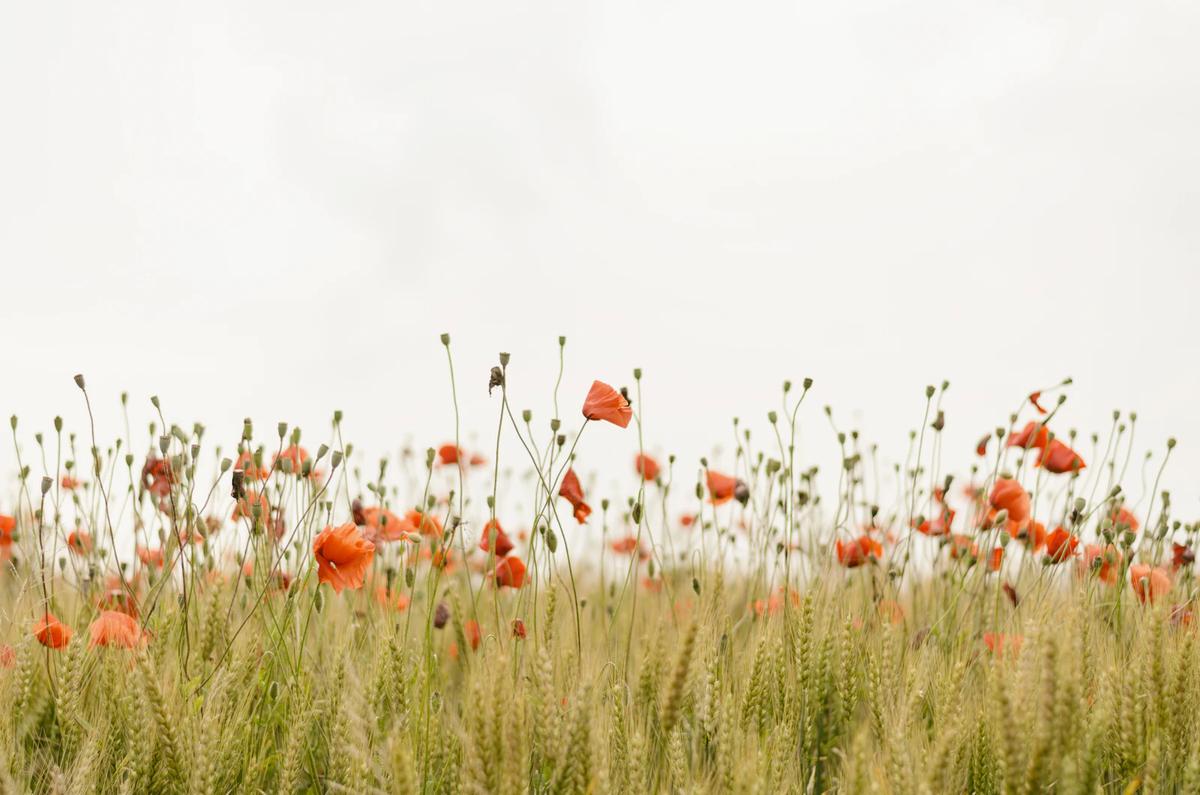
Egypt grows flowers year-round in the Nile Delta, the Fayoum oasis, and around Lake Manzala. Some species peak in cool months, others thrive in the heat. Knowing the season means fresher flowers at better prices.
Winter (December-February) — peony season
Imported peonies, tulips, and ranunculus arrive from Holland. Local sweet peas and stocks at their best. Cool weather extends vase life by 2-3 days vs summer. Best season for premium arrangements.
Spring (March-May) — rose season
Egyptian roses peak. Local growers ship the freshest, fullest blooms. Sweet peas, irises, and lilies all available. Peak Mother's Day (March 21) and graduation season demand.
Summer (June-August) — heat-tolerant blooms
Sunflowers, gerberas, zinnias, and statice thrive. Soft flowers (hydrangeas, tulips) become unreliable. Tip: order morning slots to avoid afternoon heat affecting delivery quality.
Autumn (September-November) — versatile season
Late sunflowers, early chrysanthemums, dahlias, and roses are all simultaneously available. Wedding season picks up. Cooler weather brings back hydrangeas and other water-loving blooms.
Year-round availability
Roses (local + imported), carnations, gerberas, lilies, and chrysanthemums are available 12 months. These are your default choices when seasonal varieties aren't at peak.
Frequently asked questions
- When are flower prices lowest in Egypt?
- September and January (between major occasions). Prices spike around February (Valentine's), March (Mother's Day), and May-July (graduations).
- Are imported flowers worth the extra cost?
- Only for varieties that don't grow well in Egypt (peonies, ranunculus). For roses, lilies, and sunflowers, local is fresher and cheaper.
- Can I get any flower year-round?
- Most popular flowers yes (roses, lilies, gerberas, carnations). Seasonal specialties like peonies (winter) and dahlias (autumn) are only available in their seasons.